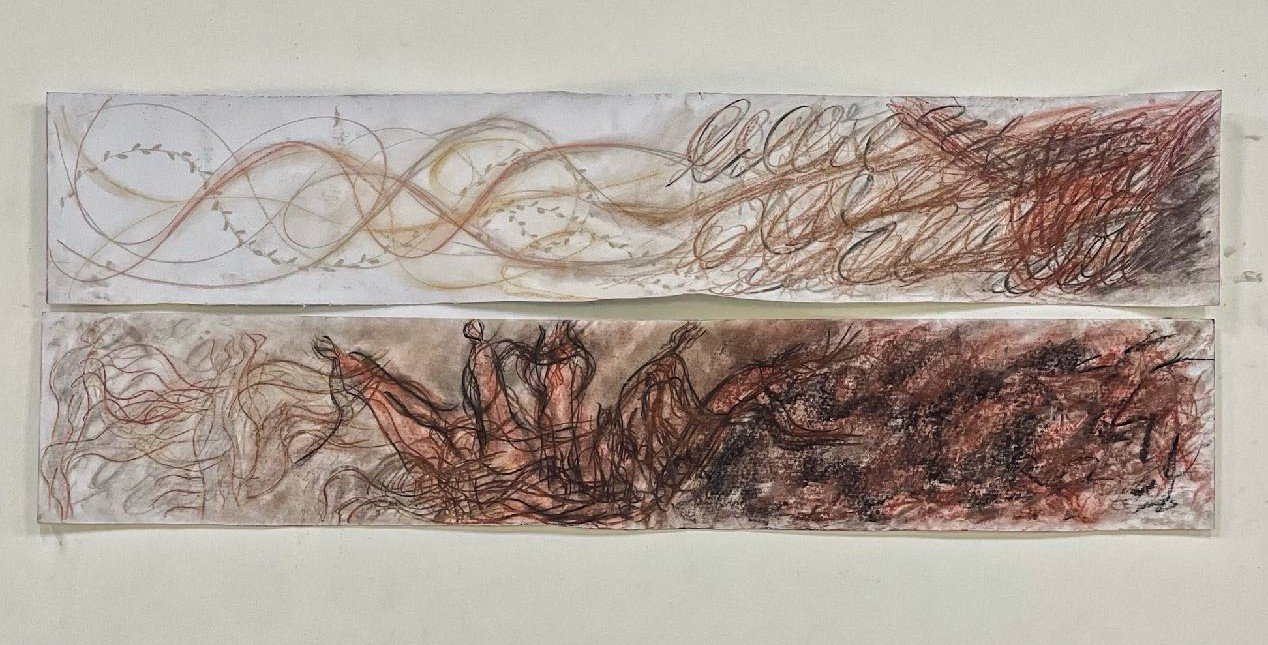
Yiduo Cheng is an interdisciplinary artist working across sculpture, installation, moving image, and painting. Her practice is grounded in an inquiry into the cyclical nature of history and the fundamental patterns of human behaviour. Through her work, Yiduo interrogates the hidden architectures and institutionalised narratives that shape contemporary social order. By destabilising anthropocentric and hierarchical worldviews, she opens space for alternative ways of perceiving, relating, and existing, beyond the human and control.
Yiduo's recent works attempt to reconfigure interspecies relations by acknowledging the limits of human subjectivity and cultivating a space for mourning ongoing ecological and intersubjective loss. Her practice resists resolution or transcendence, instead embracing entanglement, vulnerability, and the slow labour of co-existence across species boundaries.
She completed her undergraduate studies at the University of the Arts London and is currently pursuing a Master Degree in Fine Arts at Goldsmiths, University of London. Her work has been exhibited in both China and the United Kingdom.
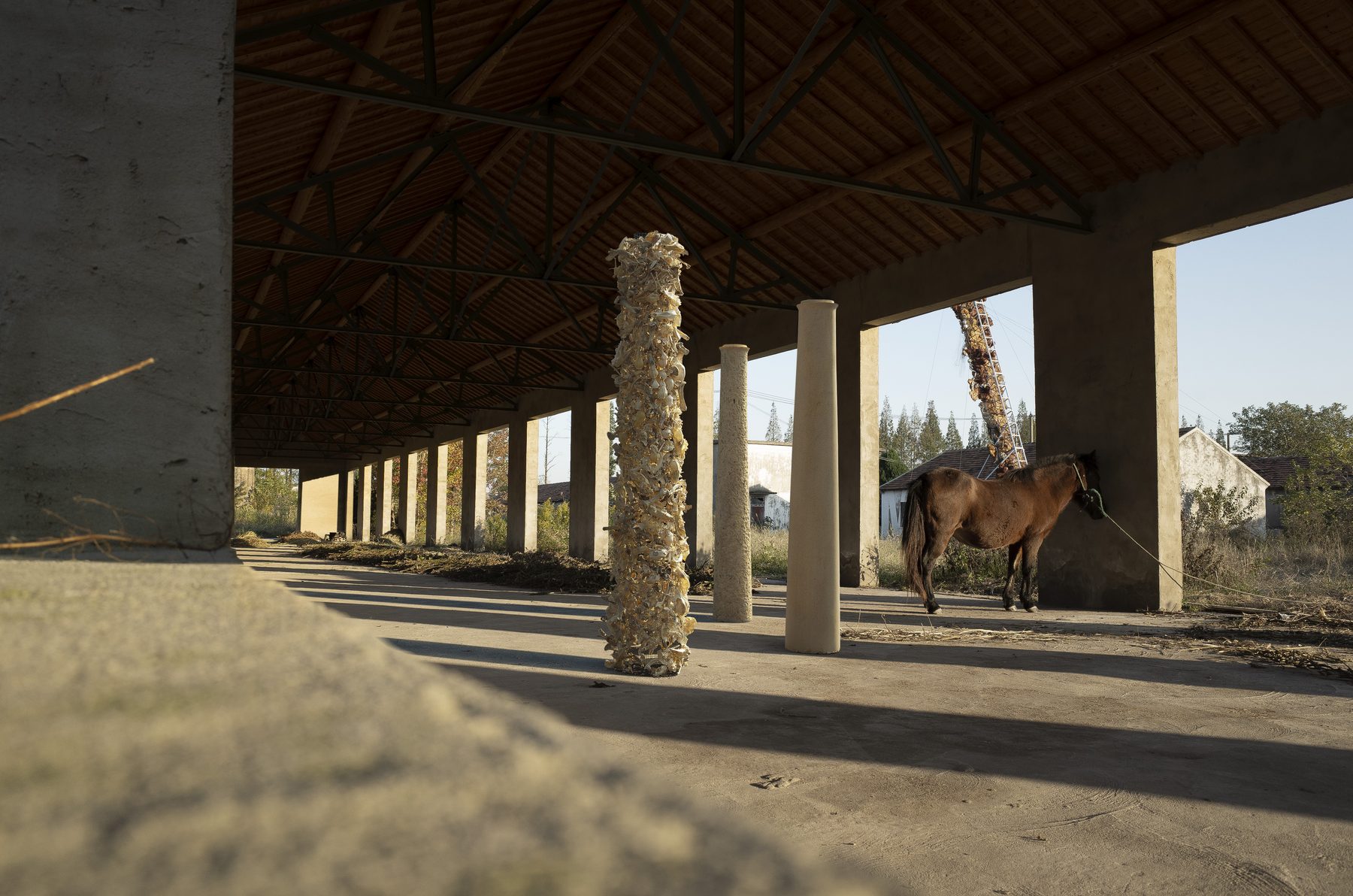
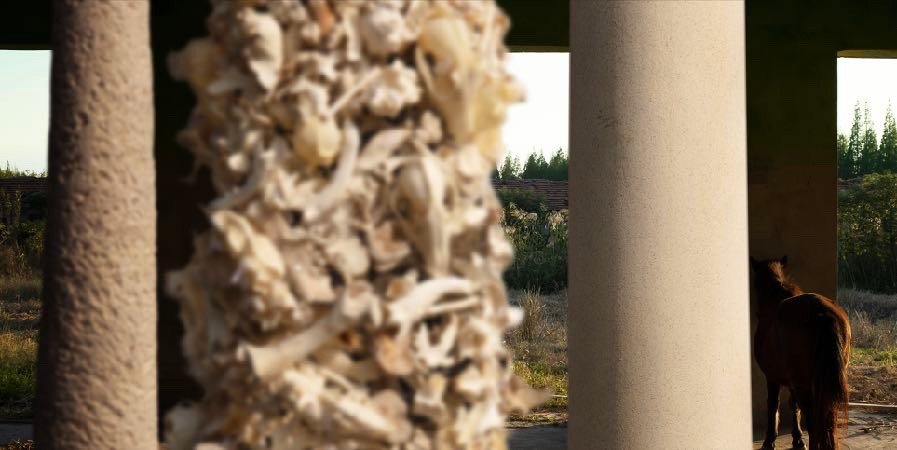
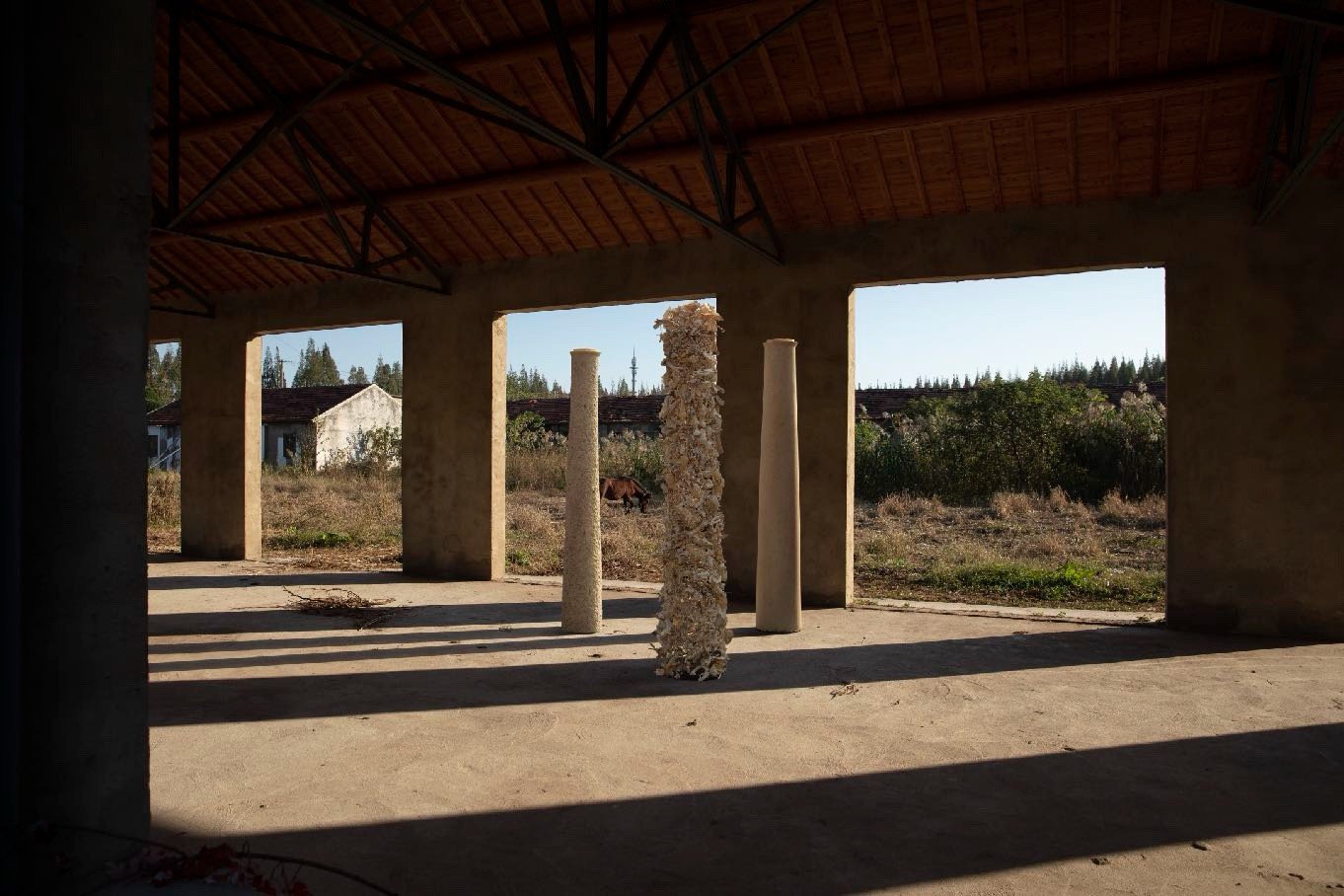
Central Axis features three identical chimneys, their forms constructed from bones that gradually disintegrate into faintly visible bone fragments, then into indistinguishable bone powder. This transformation serves as a meditation on the concealed and overlooked consumption of life within the highly mechanised and specialised structures of postmodern society. The piece interrogates the moral dualities embedded in the processes of production and consumption, where humanity is celebrated on the surface, yet the lives sacrificed for our comfort and progress are systematically erased. It challenges us to confront the ethical contradictions of a system that glorifies progress while rendering its casualties invisible, urging a deeper reflection on the cost of our collective existence.
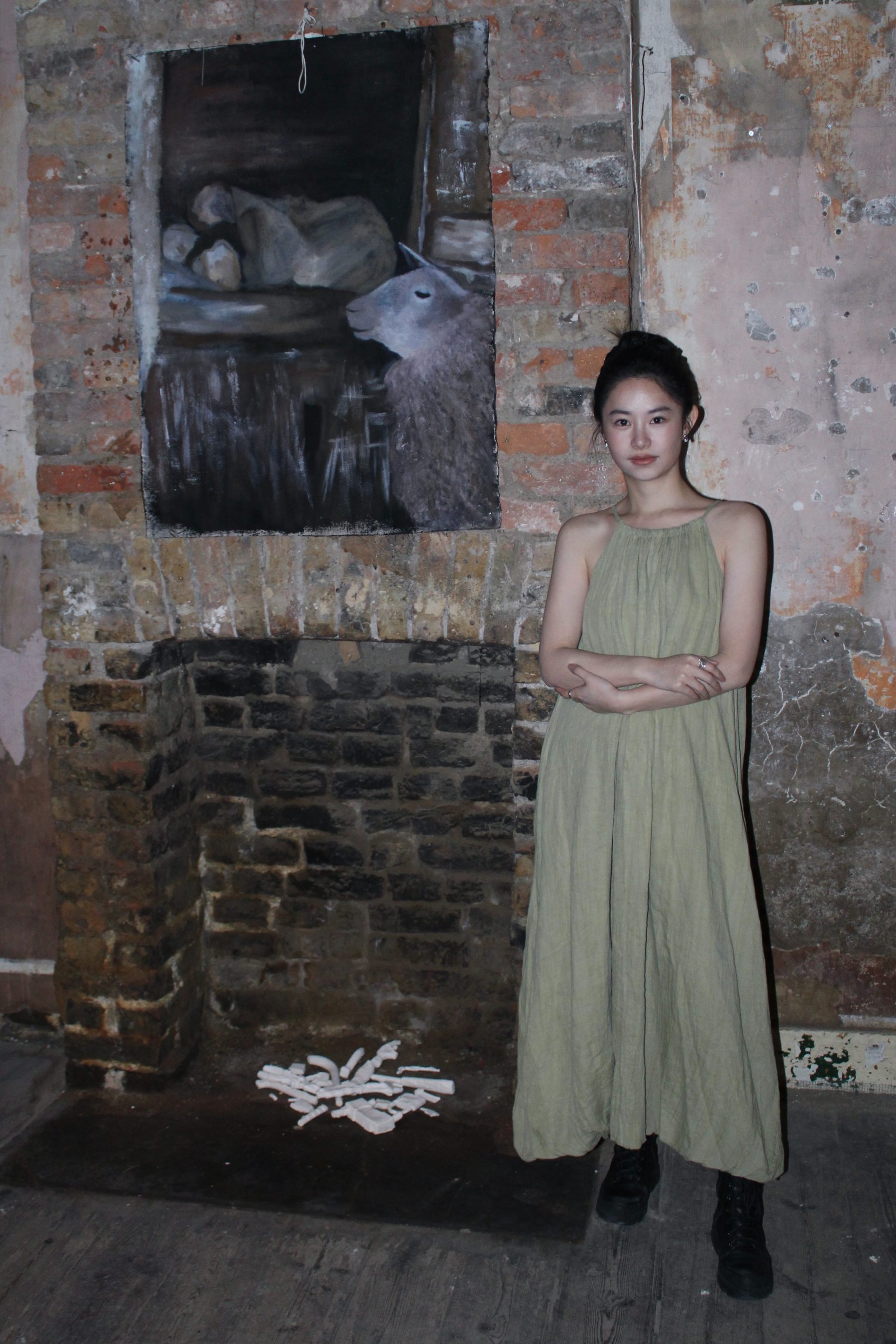
Fragmented sculptural pieces cast in animal bone powder and plaster — an imitation of bone china — form the basis of this work. It explores the hidden consumption of life embedded within contemporary social structures and everyday practices. The piece interrogates the moral tension between viewing non-human beings as expendable resources or as lives with inherent selfhood. At the same time, it reflects on the hubris of humanity — its tendency to whitewash the violent undercurrents beneath the polished surface of Western modernity.
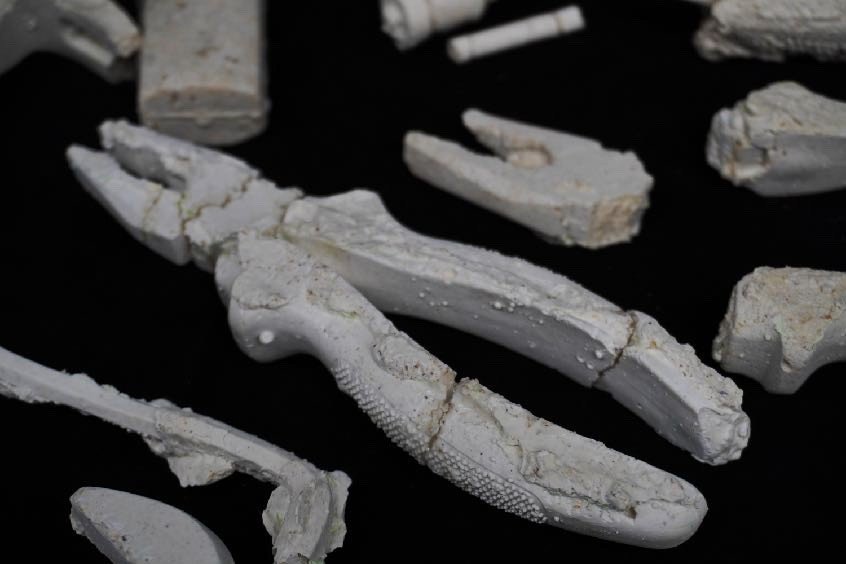
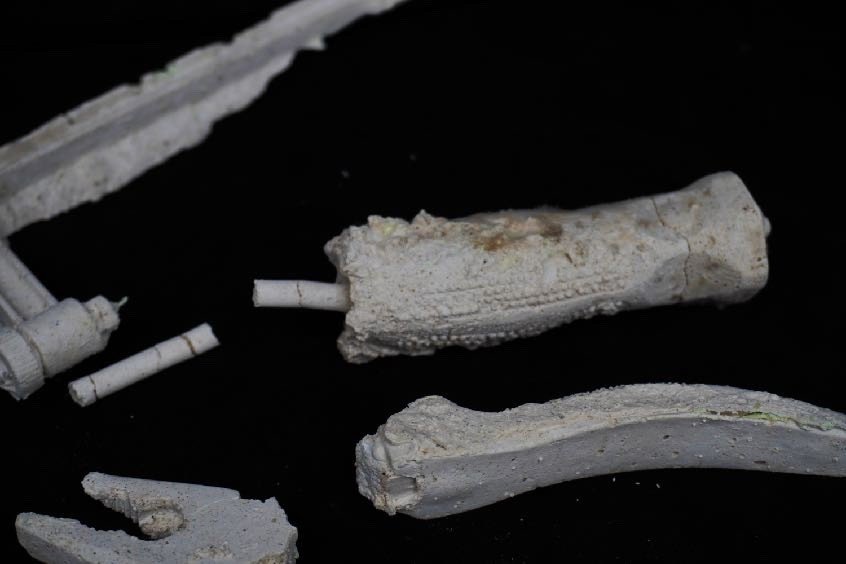
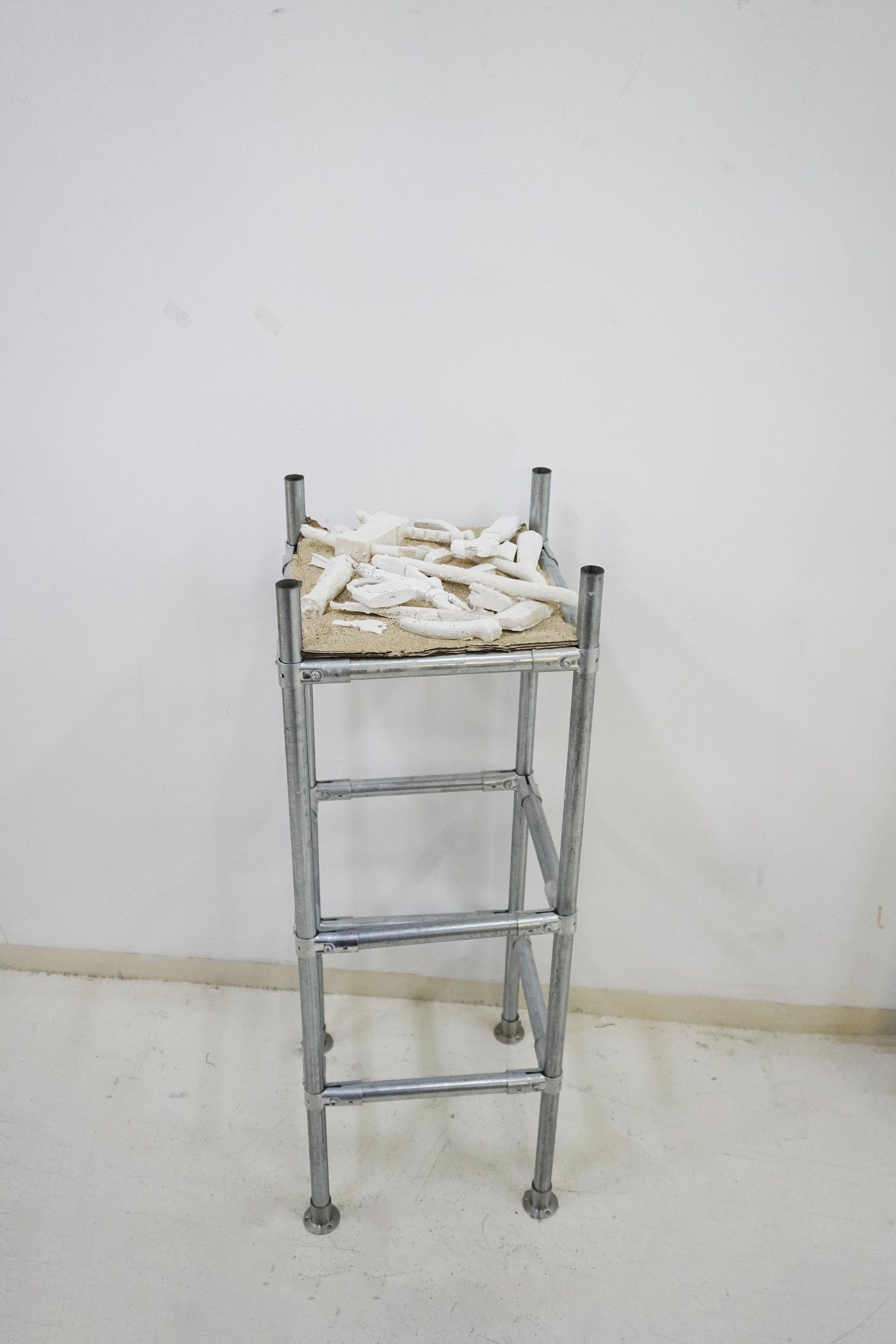
The material has evolved to the final stage — invisible bone powder with gypsum, a contemporary form of it. Bone ash is often added to ceramic to increase its hardness. When people use the utensils, they would never think of the living ingredients in them.
This material is consumed and worn out in daily life, and eventually they were rotten. The organic components in it showed signs of life again after decay.
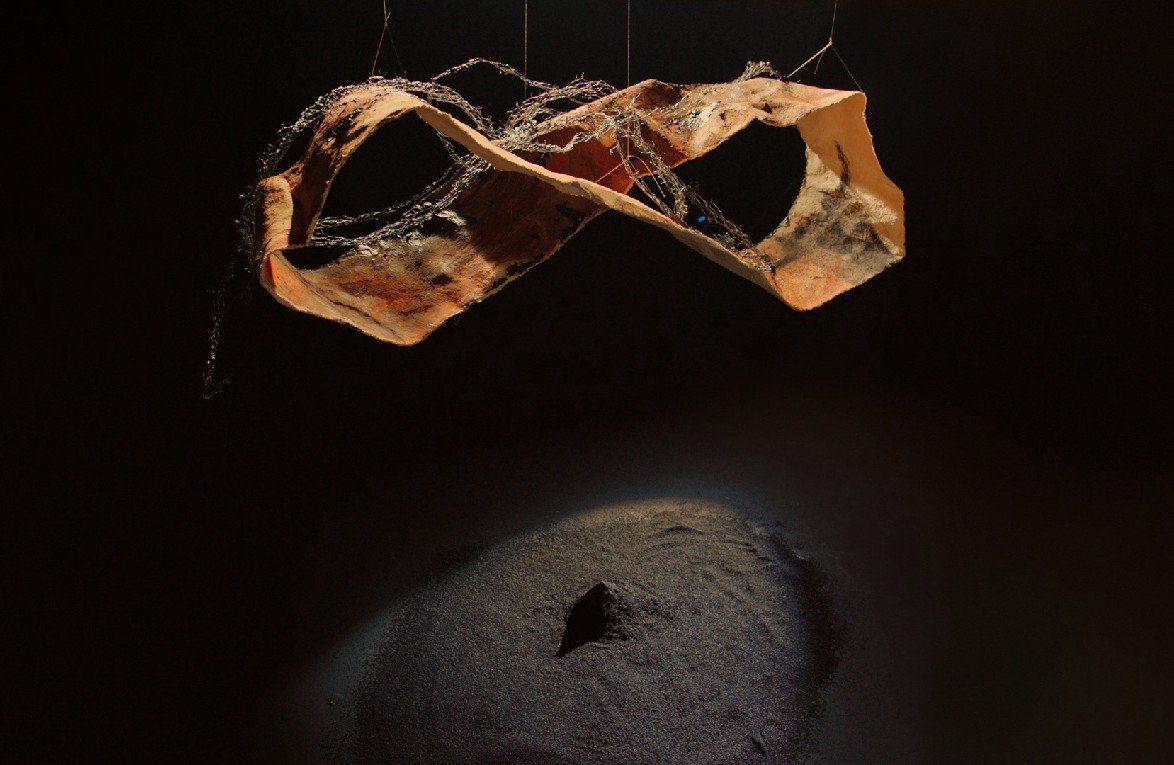
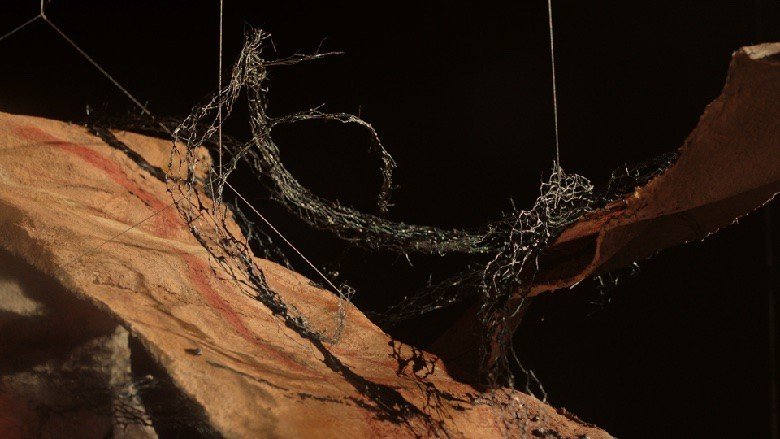
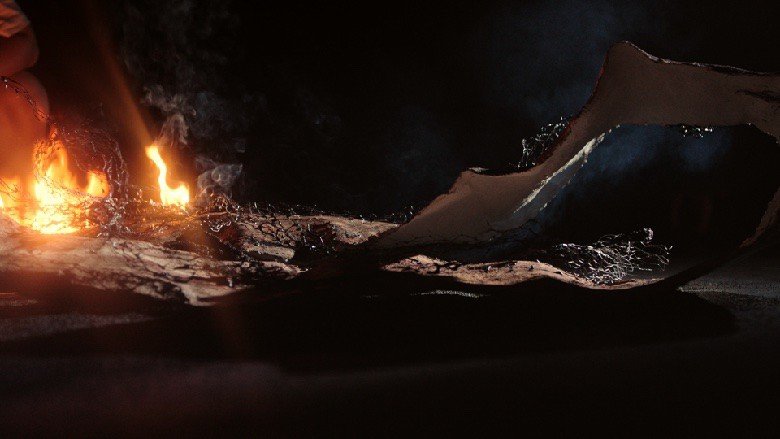
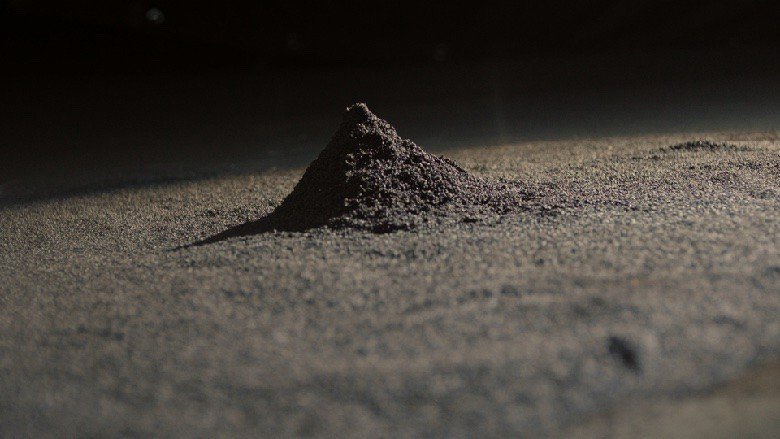
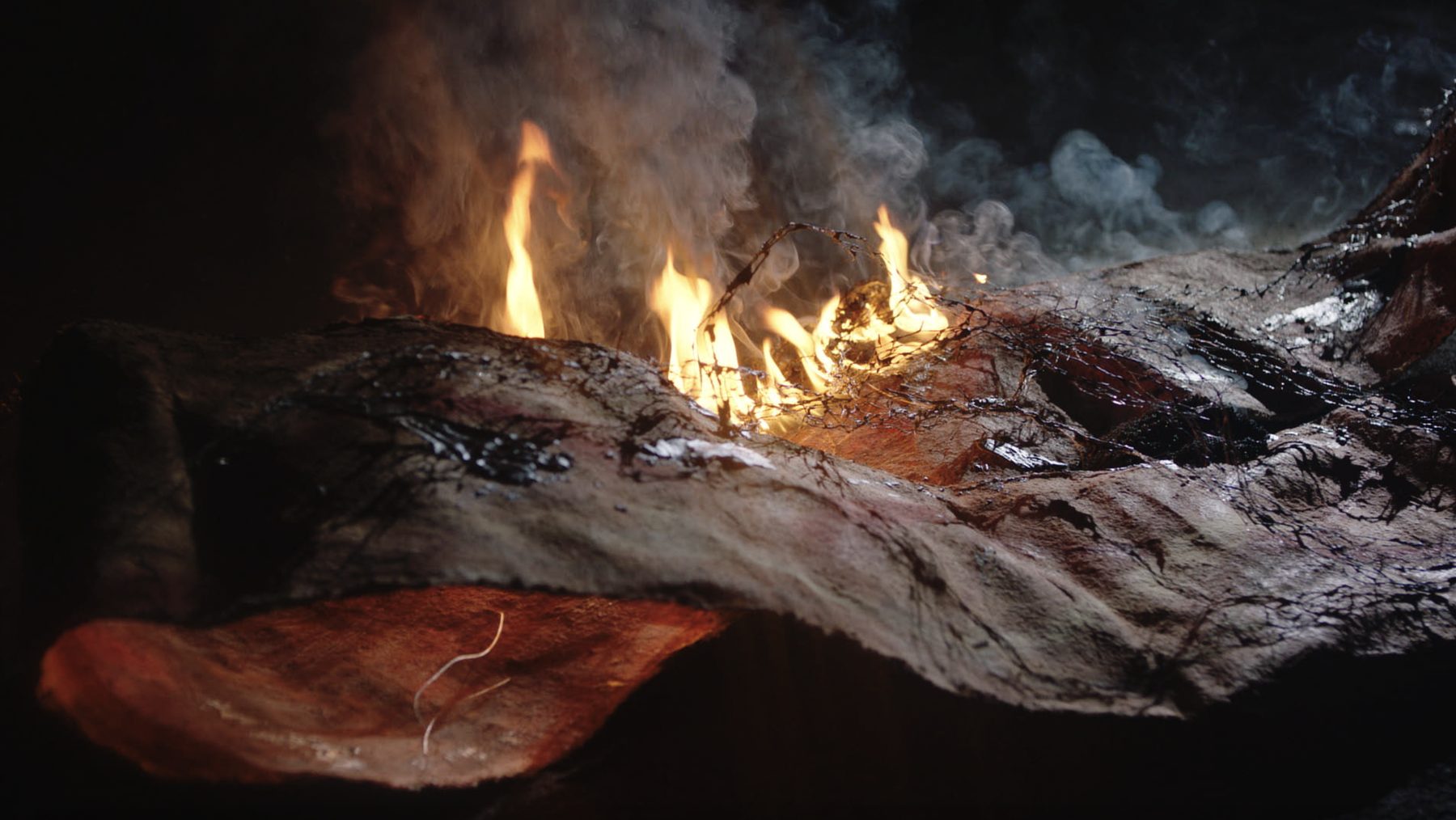
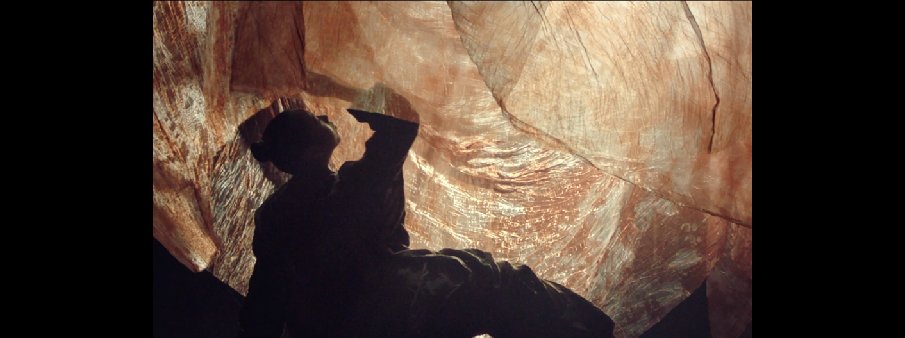
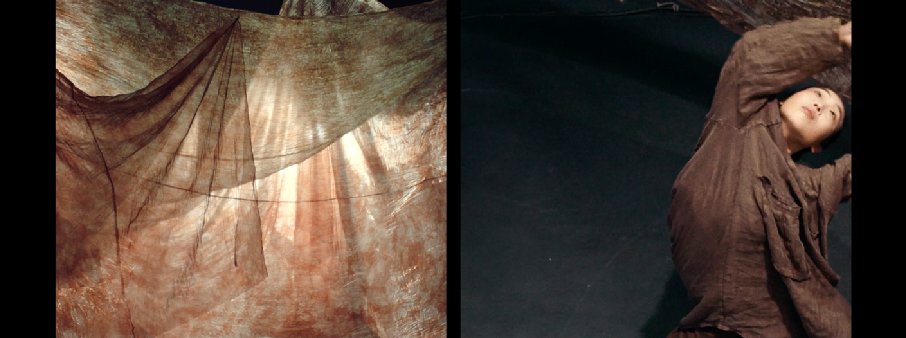
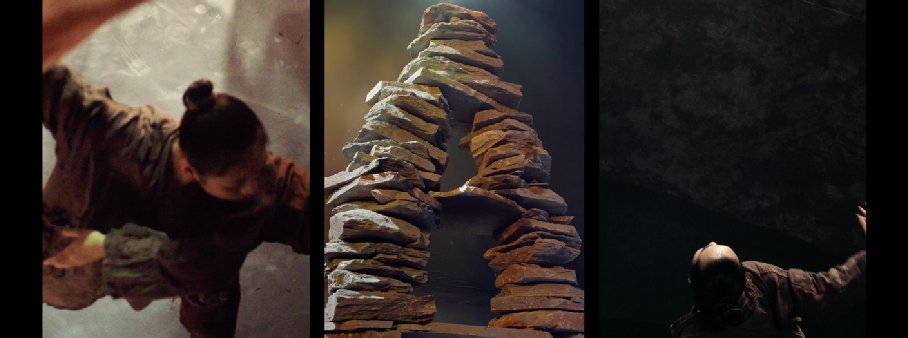
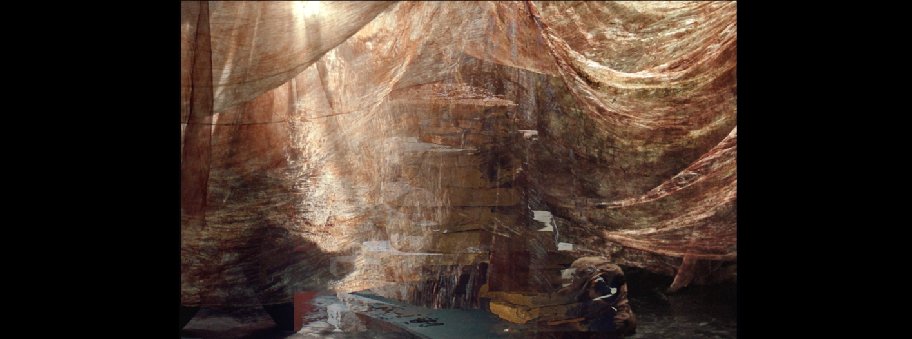
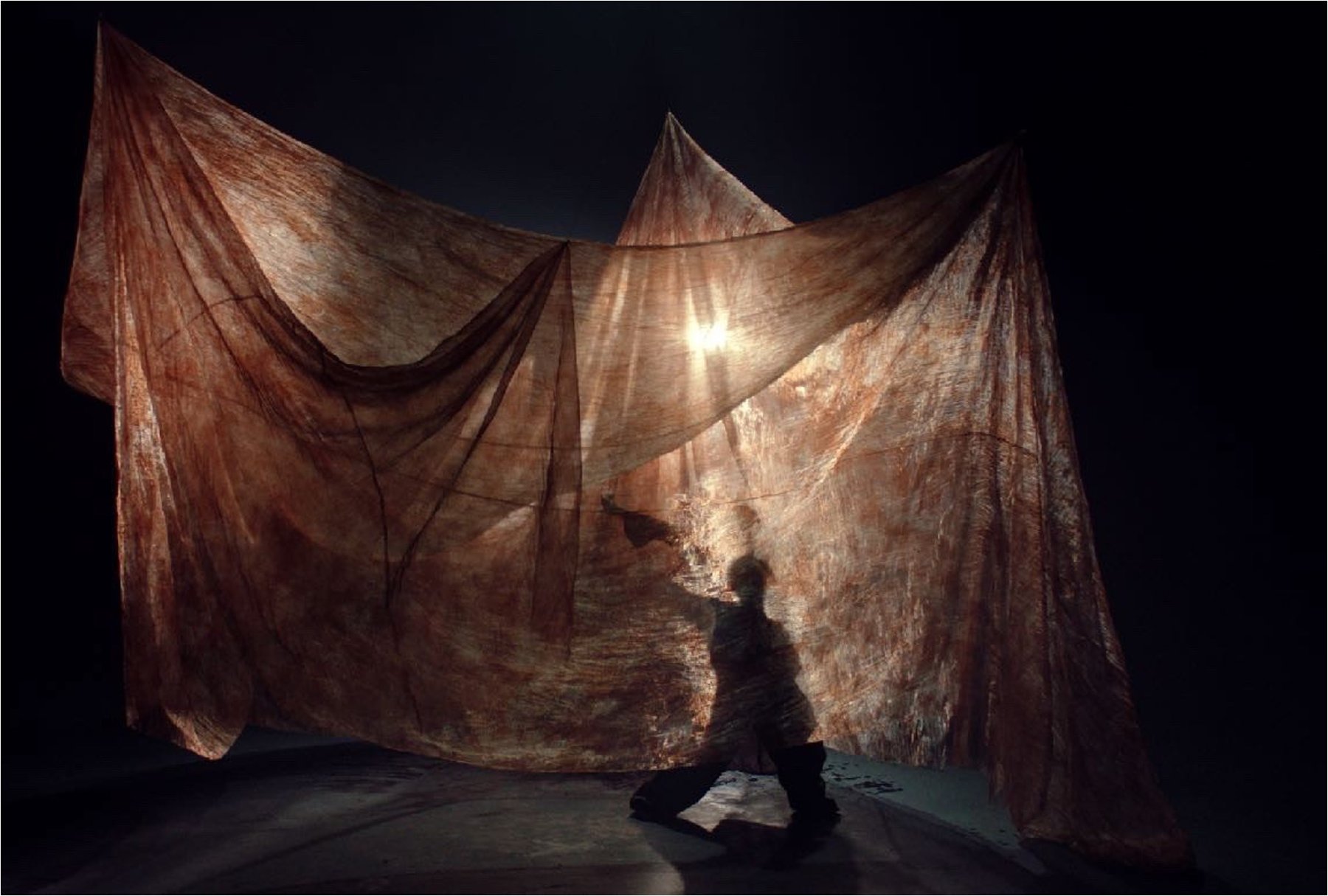
Rdo Phung draws its name from the stone piles ubiquitous in Tibetan Buddhist landscapes — ritual cairns built as offerings, prayers, or markers of presence. These humble structures stand as silent interlocutors between humans, nature, and the divine: a form of communication rooted not in language, but in gesture, belief, and embodied practice. This film becomes a meditation on such non-verbal modes of communion, where meaning is not spoken but felt, emerging through ritual movement, elemental soundscapes, and the resonance of the human body within the more-than-human world.
In rejecting the dominance of linguistic semiotics, Rdo Phung aligns itself with ancestral ways of knowing — those inscribed in myth, repetition, and cyclical time. The film does not narrate, but rather breathes; it listens to the silences between words, to the vibrations of living matter, to the murmurs that precede language. Intertwining the sacred and the sensory, it evokes creation myths not as stories to be told, but as rhythms to be inhabited. At its heart, Rdo Phung seeks a universal kinship — a recognition of entanglement among all living beings, animate and inanimate, sacred and profane. It invites viewers to unlearn the separation between self and other.
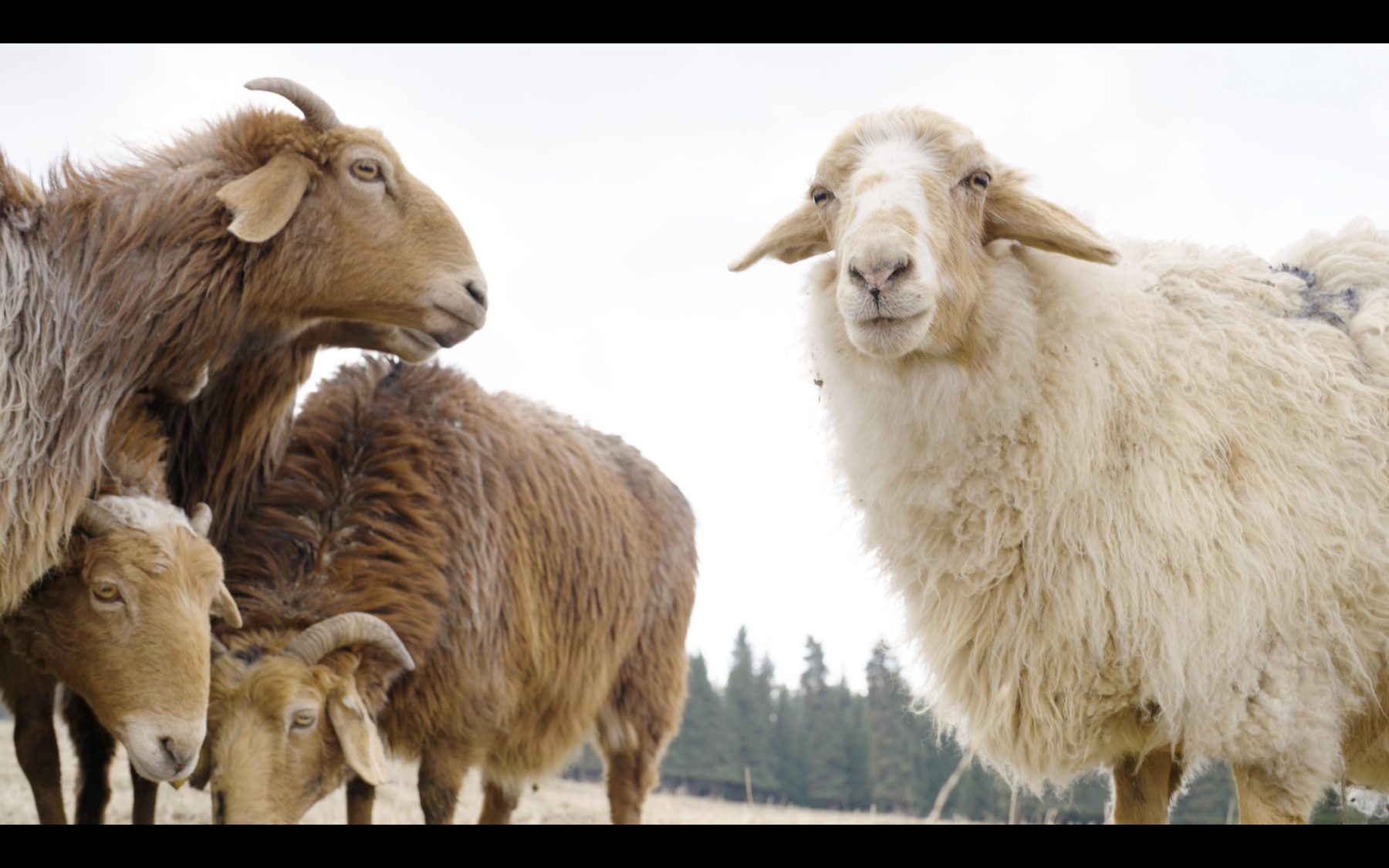
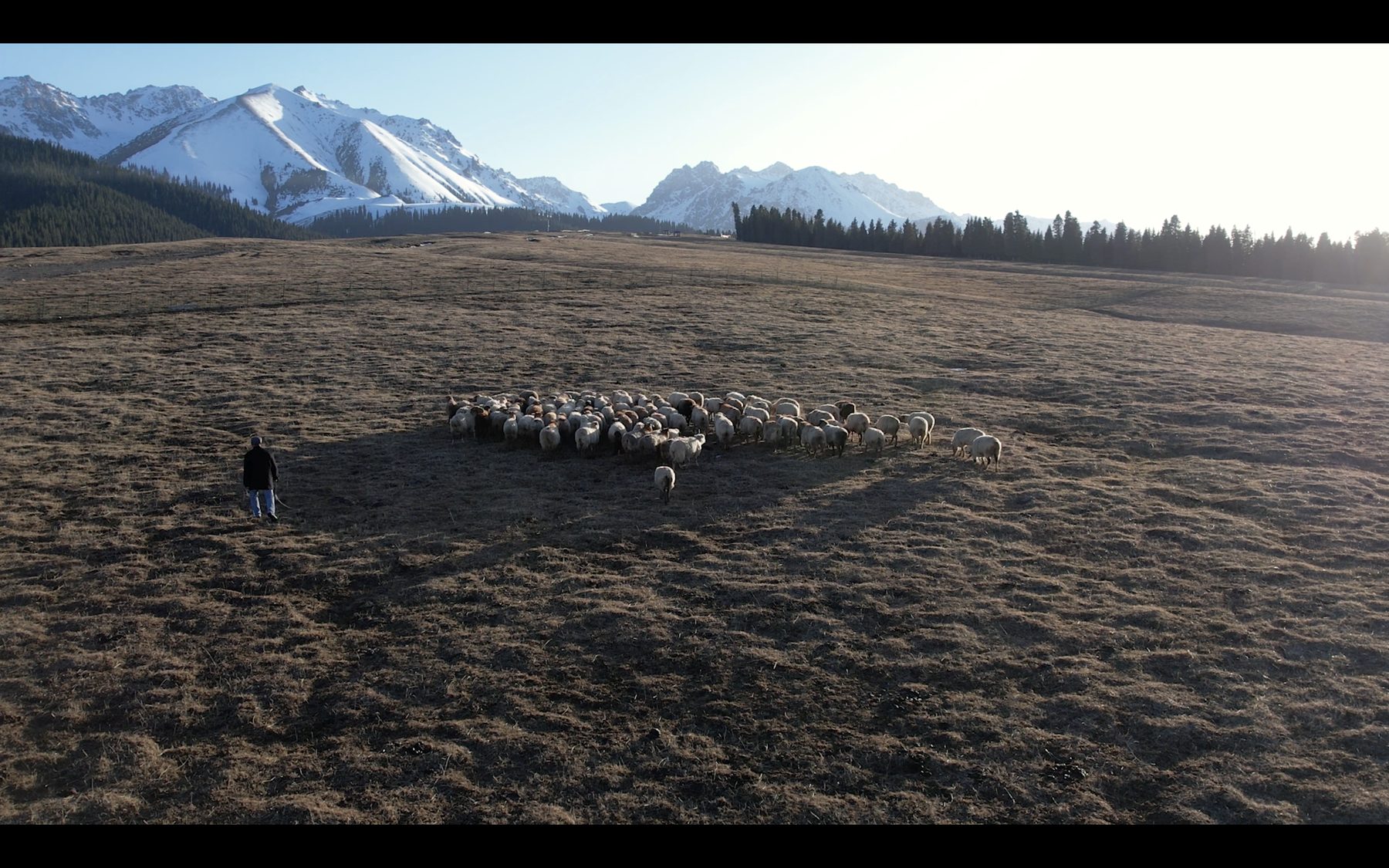
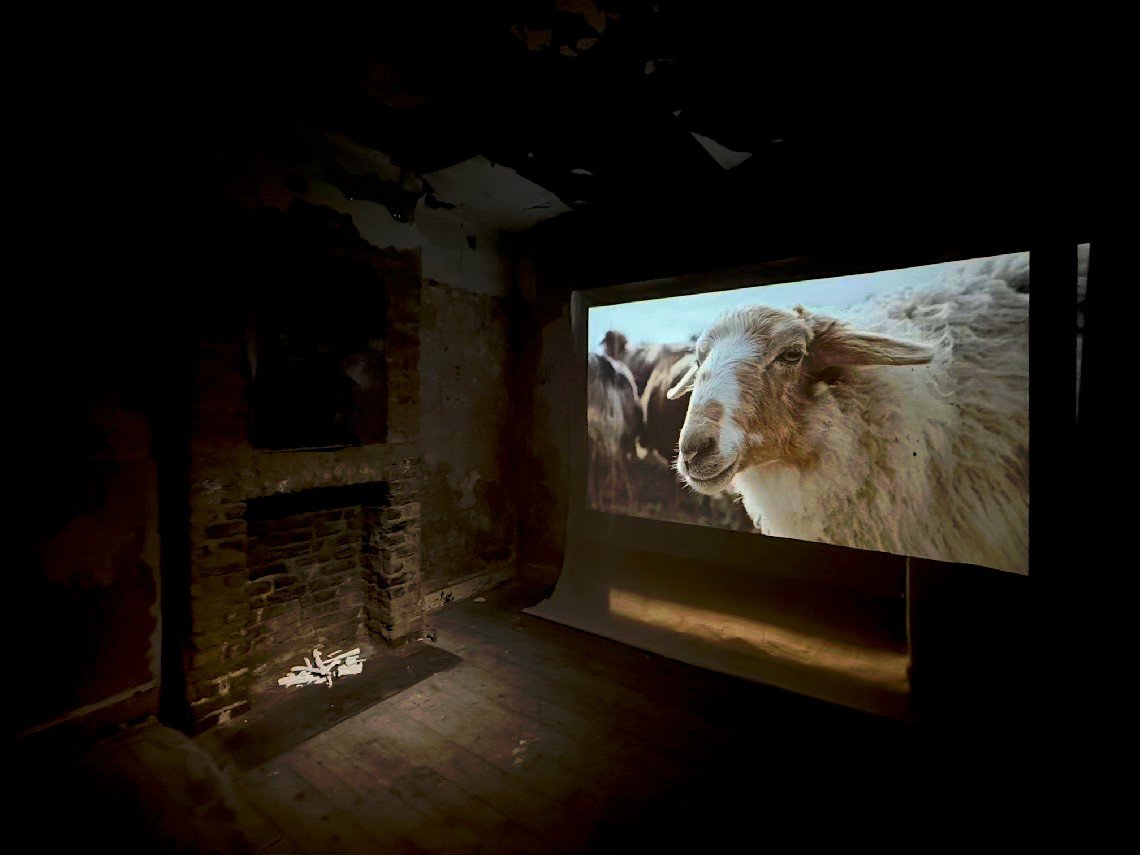
Borrowed Silence is an artist film. Rather than framing animals as passive subjects within a human-centered narrative, the film gently shifts its gaze, seeking to inhabit the periphery of human perception and attune to the quiet, embodied lives of animals whose selfhood has long been denied or instrumentalised.
Through patient, lingering observation, the film meditates on the silent presence of these beings: their rhythms, their watchful stillness, their ways of knowing and being that resist capture through language or anthropocentric logic. Here, silence is not absence, but a form of communication — a borrowed register through which the viewer is invited to listen differently. The camera does not impose; it waits, and in this waiting, a subtle kind of agency is revealed. At its core, Borrowed Silence reflects on the paradox at the heart of human-animal relations: the human as both caretaker and predator, reverent and exploitative.
I whisper prayers to a god
who made us both hungry,
who wired you to trust
and me to betray.